XMZ Technologies furnace experts Thermal Processing Systems and Industrial Furnaces
XMZ Technologies6265 Greenwich Dr, Ste 105
San Diego, CA 92122
Tel: (619) 784-3913  |  sales@beltfurnaces.com
BATCH FURNACES & OVENS

Flexible batch thermal processing systems

Industrial Batch Furnaces & Ovens

Vacuum, controlled-atmosphere, bell, tube, and process development furnaces for brazing, electronic ceramics, battery materials, advanced ceramics, and other batch thermal processing applications.

Overview

Batch furnaces are used when a thermal process requires flexible loading, long soak times, controlled atmospheres, vacuum processing, or production conditions that are not well suited to continuous processing.

Unlike continuous furnaces, batch furnaces process one load at a time, allowing each cycle to be optimized for the material, atmosphere, temperature profile, and production objective. Different batch furnace architectures are available for different thermal processes.

XMZ Technologies supplies vacuum furnaces, controlled-atmosphere box furnaces, battery material and process development furnaces, bell furnaces, tube furnaces, and other custom batch thermal-processing systems. We help customers select the furnace architecture that best matches their material, process, and production requirements.

When to Choose a Batch Furnace vs. Belt Furnace

Continuous belt furnaces remain the preferred solution for many high-volume production processes. Batch furnaces become more suitable when the process requires vacuum, greater recipe flexibility, higher operating temperatures, long thermal cycles, or lower production volumes.

Vacuum Processing

Batch furnaces are typically selected when the process requires vacuum. The chamber can be sealed and evacuated before heating, allowing vacuum level and oxygen content to be controlled throughout the thermal cycle without a continuous supply of process gas.

Continuous mesh belt furnaces are generally better suited for controlled-atmosphere processing than for vacuum operation.

Flexible Recipes and Long Thermal Cycles

A batch furnace can use a different temperature profile, atmosphere, soak time, cooling cycle, or loading arrangement for each load.

This makes batch systems well suited for process development, new product introduction, low-volume manufacturing, and processes requiring long soak periods or controlled cooling.

Higher Processing Temperatures

Many batch furnaces use refractory-lined heating chambers without a moving metallic conveyor. This removes the temperature limitation imposed by a mesh belt and allows the furnace construction and heating system to be selected for higher-temperature processes.

Lower Production Volumes and Frequent Product Changes

For applications with relatively low throughput, irregular production schedules, or frequent product changes, a batch furnace can be simpler and more economical than installing a continuous production line.

When a Belt Furnace Is the Better Choice

Continuous belt furnaces are generally preferred when high throughput and repeatable production are required.

Because the product moves through independently controlled temperature zones while the furnace remains at operating temperature, continuous furnaces can often achieve faster product heating profiles than are practical in a batch furnace, where the chamber, insulation, fixtures, and load normally heat and cool together.
Batch Furnace Types

1. Vacuum Furnaces

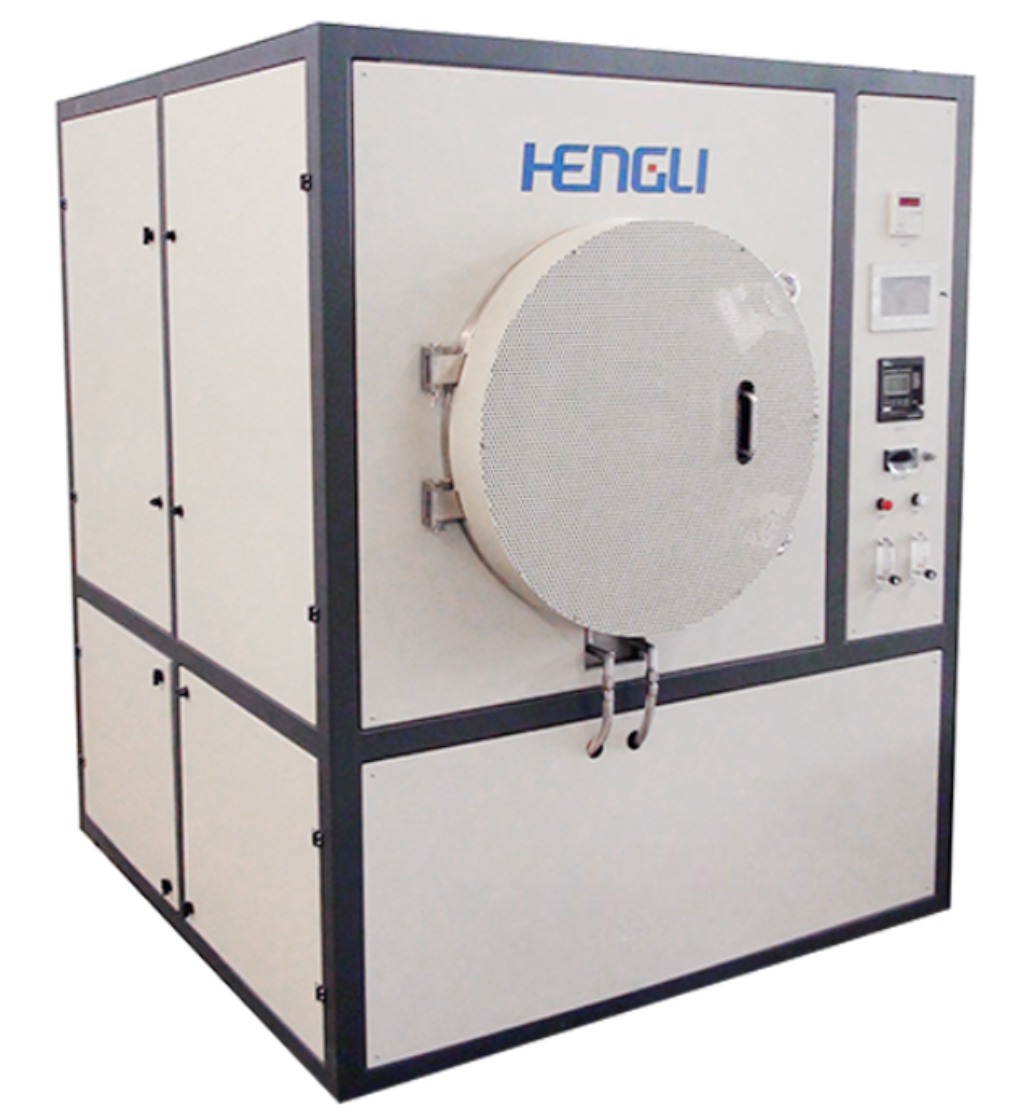
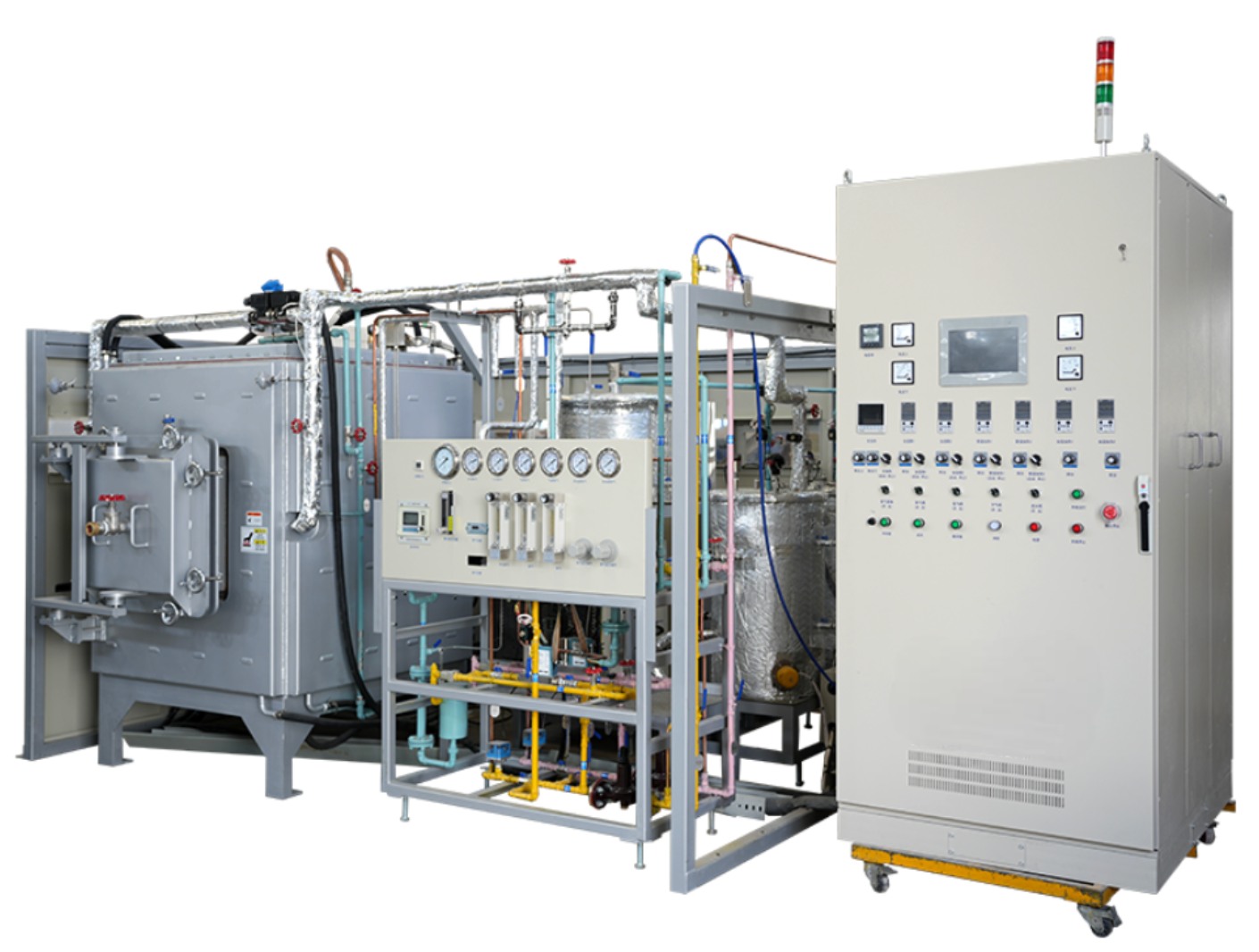
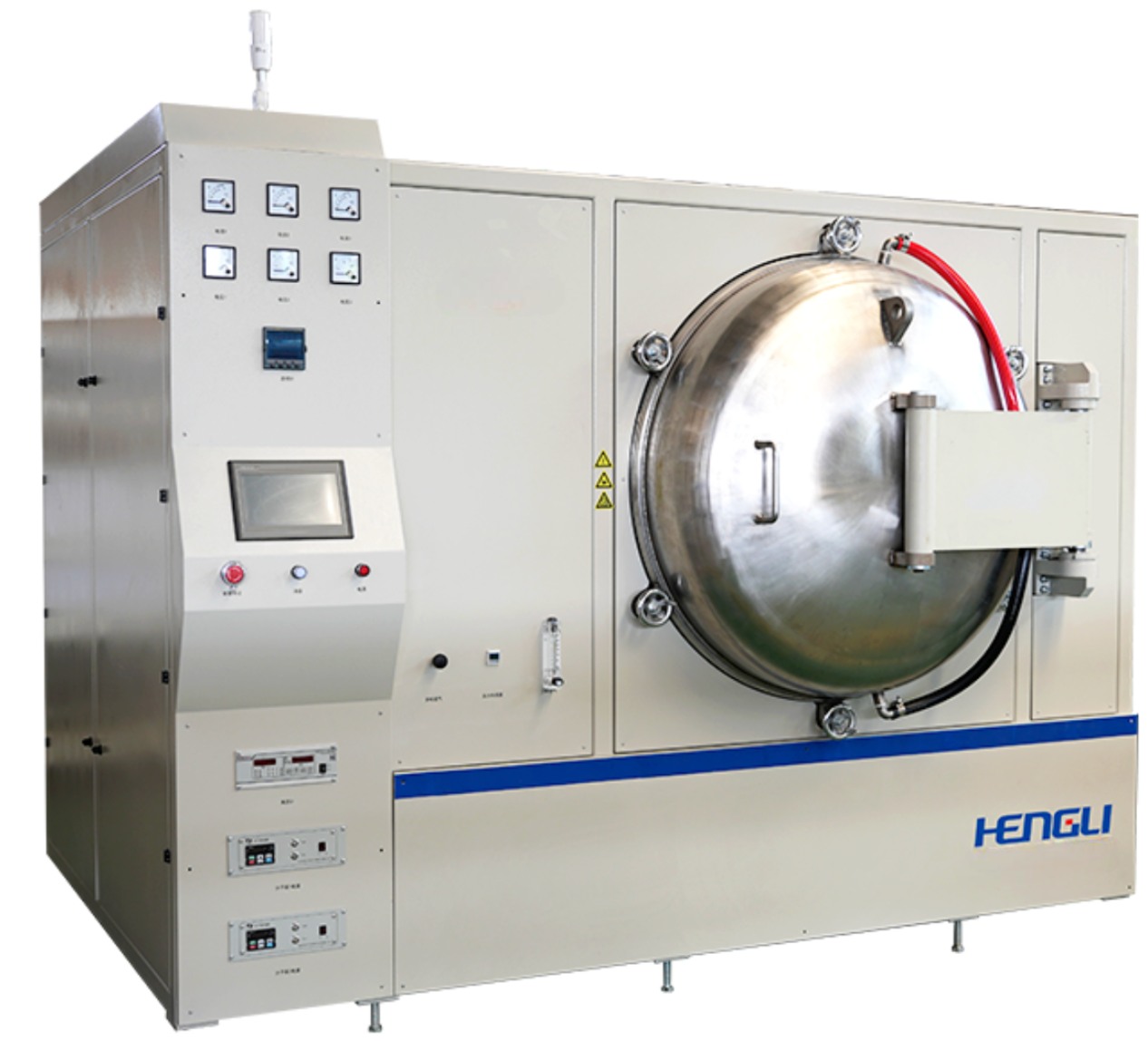
Vacuum furnaces provide a clean, low-oxygen environment for brazing, annealing, sintering, and other thermal processes where oxidation and contamination must be controlled. Available systems include vacuum brazing furnaces, AMB vacuum brazing furnaces, vacuum pot ovens, and vacuum hot-plate furnaces.

Vacuum brazing is a key application for this furnace group. During the brazing cycle, systems can maintain vacuum levels below 10−3 Pa, limiting oxidation and supporting clean joints with low voiding. Unlike controlled-atmosphere brazing, the furnace does not require a continuous flow of nitrogen or another inert gas to maintain low oxygen levels. Systems can be configured with high-vacuum pumping, partial-pressure control, uniform heating, and accelerated gas cooling.

2. Controlled-Atmosphere Box Furnaces

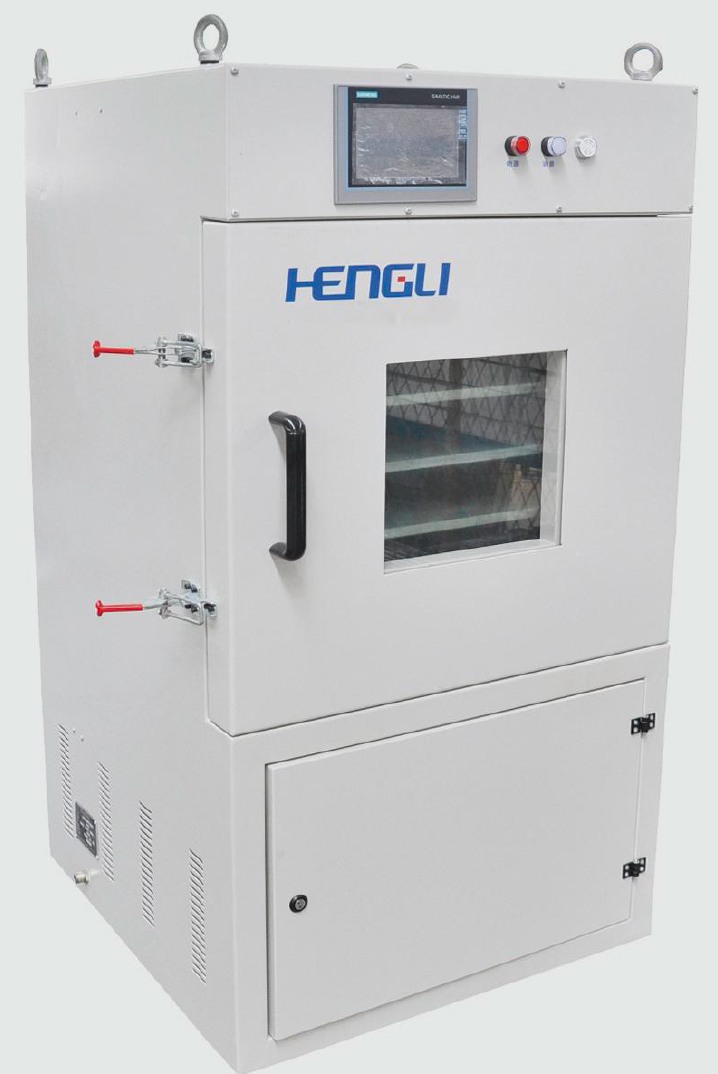
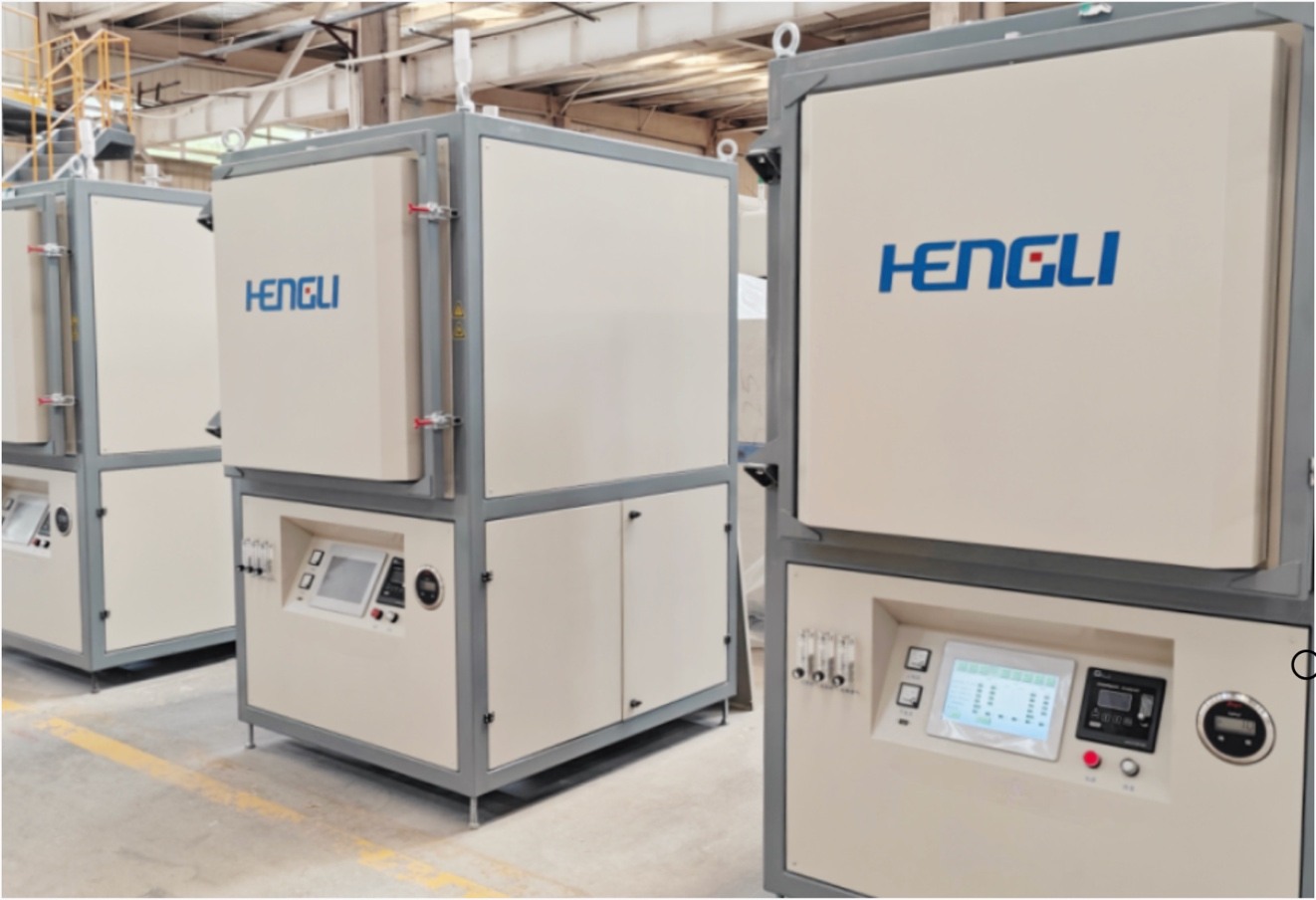
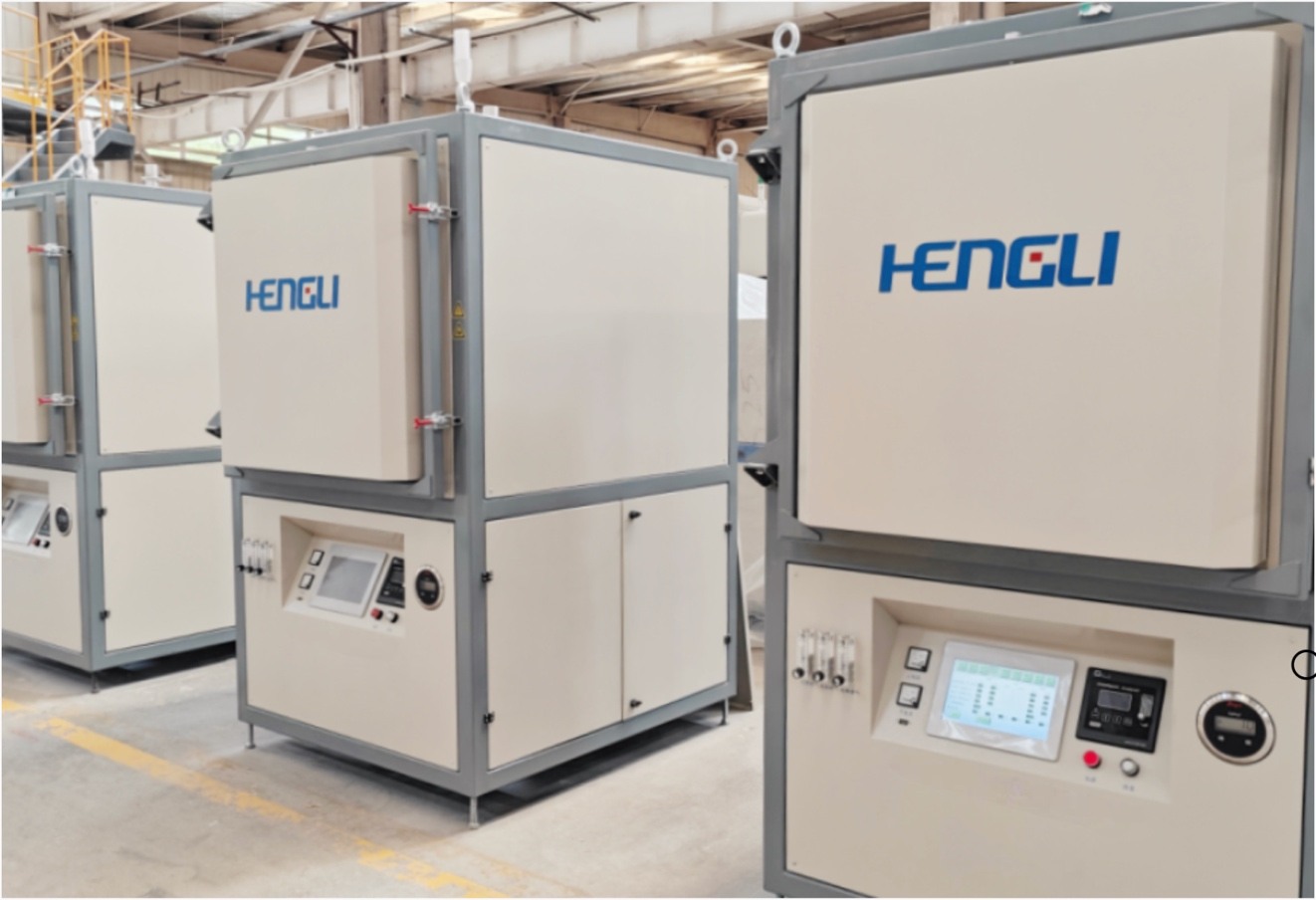
Controlled-atmosphere box furnaces provide flexible batch processing for debinding, sintering, annealing, and other thermal treatments under air, nitrogen, hydrogen, argon, or mixed-gas atmospheres. The furnace design, heating method, gas system, and exhaust arrangement are selected for the material and process rather than using one standard box-furnace configuration.

Available systems include general atmosphere box furnaces, hot-air debinding ovens, and HTCC high-temperature atmosphere furnaces.

3. Battery Material and Process Development Furnaces

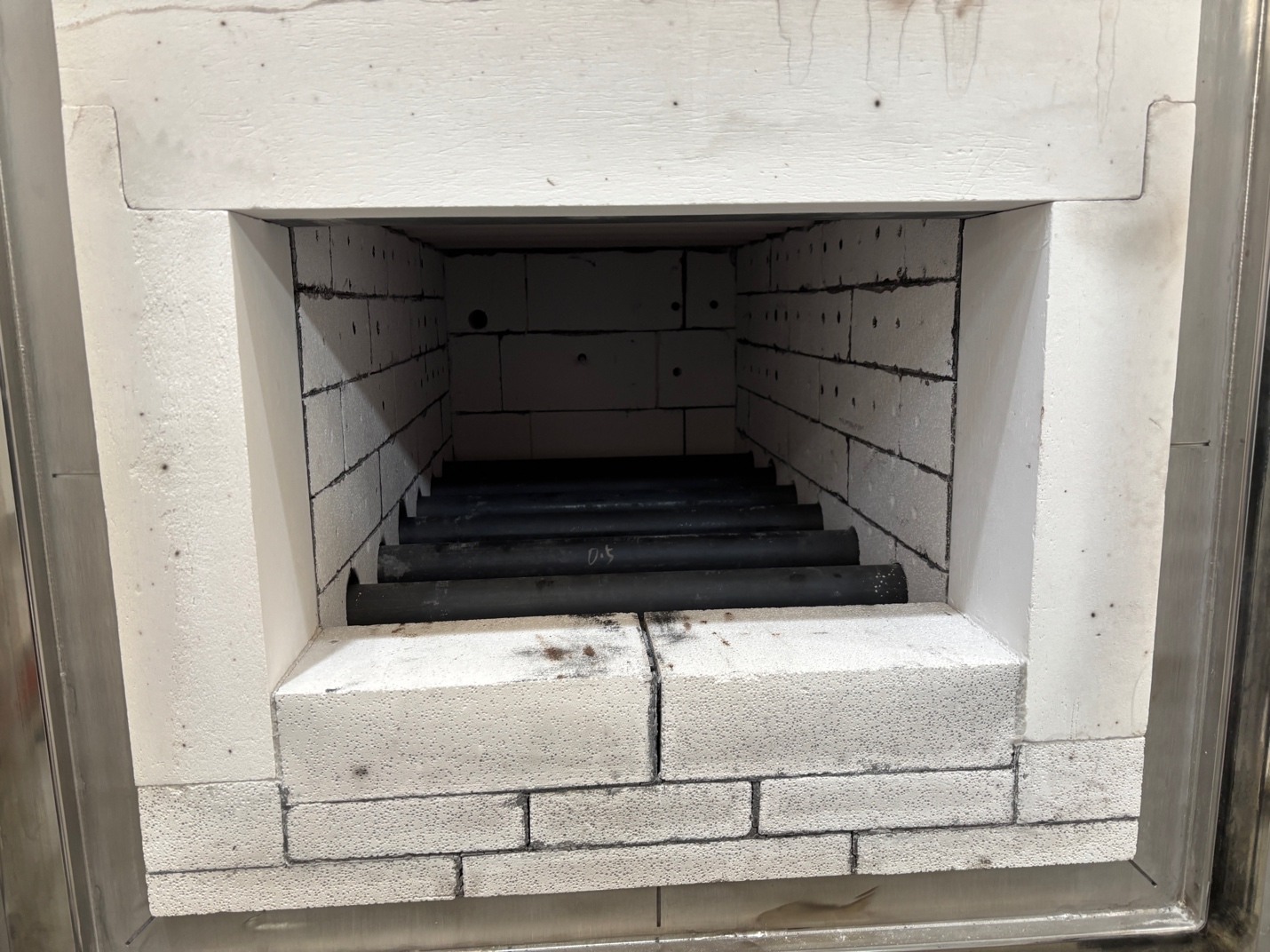
Battery material furnaces are designed for calcination, sintering, annealing, drying, and other thermal processes used in lithium-ion and sodium-ion battery materials. Available systems include batch atmosphere furnaces for cathode and anode materials, as well as roller hearth kiln simulators for process development and production validation.

Typical applications include LFP, LMFP, NMC, NCA, graphite, silicon-carbon, hard carbon, sodium-ion materials, precursor powders, and other advanced energy-storage materials. Depending on the process, furnace designs may incorporate controlled atmospheres, low oxygen levels, dew-point control, recipe management, and precise loaded temperature uniformity to support stable and repeatable thermal processing.

4. Bell Furnaces

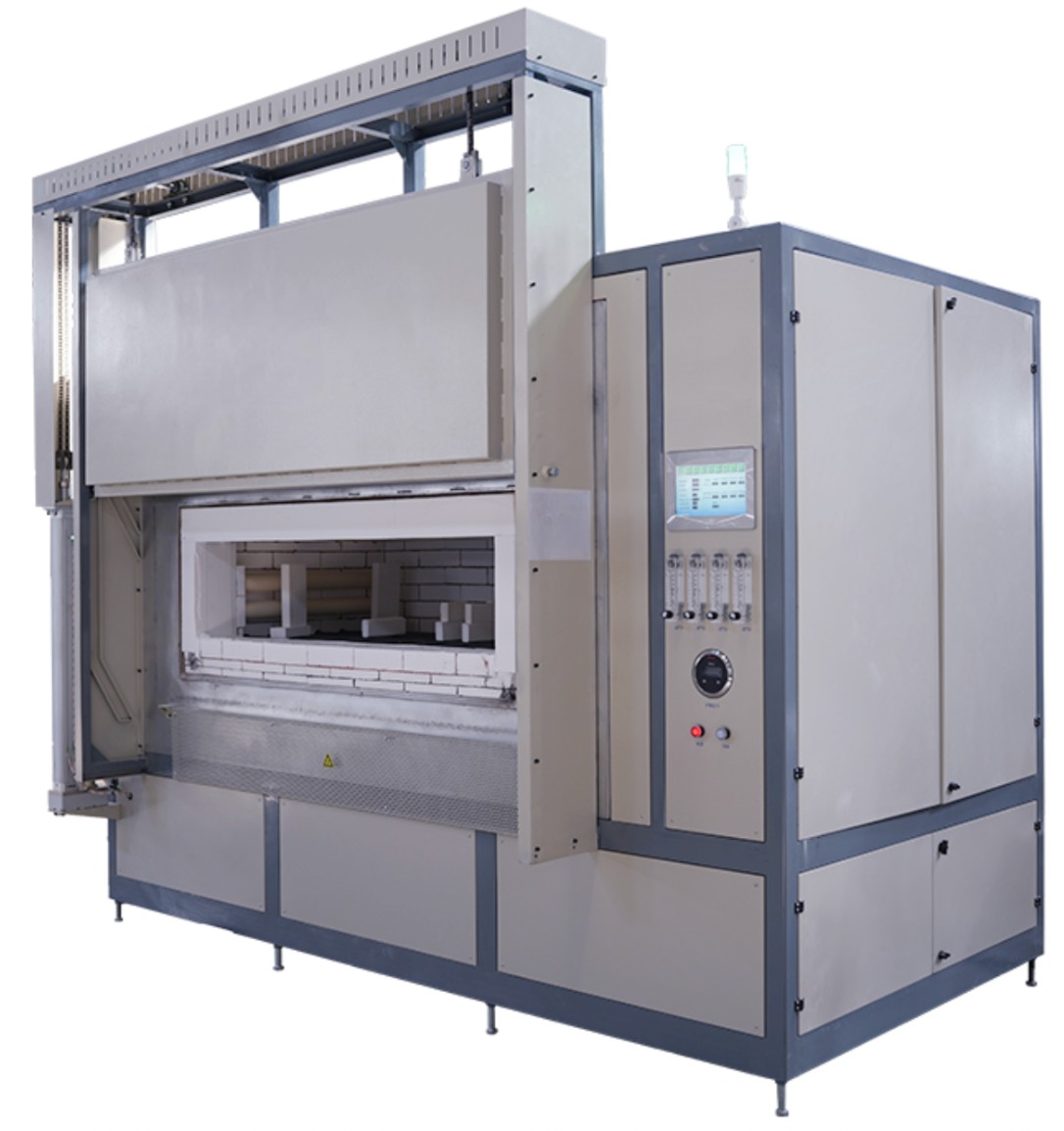
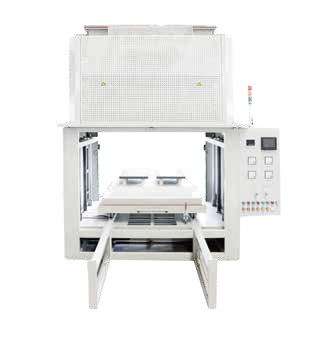
Bell furnaces are industrial batch systems that use a vertically opening or removable furnace chamber, providing open access to the loading platform for easier loading and unloading. They are well suited for large batch loads, stacked products, and processes requiring extended heating, soaking, or controlled cooling cycles.

Bell furnace configurations can be designed for debinding, drying, degassing, heat treatment, and high-temperature sintering under air, vacuum, or controlled atmospheres. The heating system, chamber construction, atmosphere or vacuum system, and loading arrangement are selected for the material and thermal process.

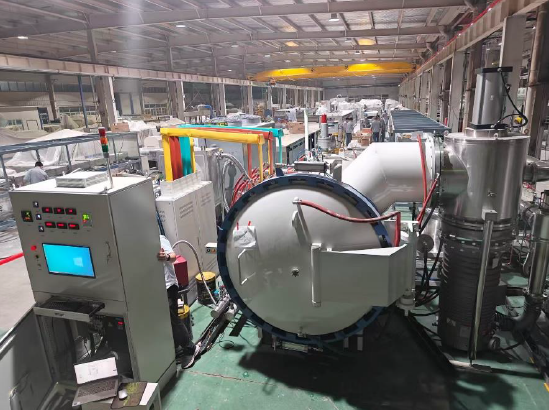
Industrial bell furnace for batch heat treatment and controlled-atmosphere processing.

Industrial Bell Furnace

Industrial bell furnace for batch heat treatment and controlled-atmosphere processing.

5. Tube Furnaces

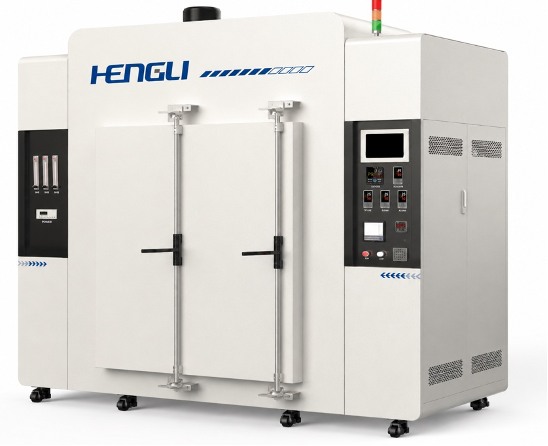
Tube furnaces provide a compact, enclosed processing chamber for firing, calcination, oxidation, reduction, annealing, and other heat-treatment processes. Available designs may use quartz, metal, or alumina tubes, with single- or multi-tube configurations and multiple independently controlled heating zones.

Systems can be configured for air, nitrogen, oxygen, hydrogen, argon, humidified gas, or vacuum operation. Typical applications include metal and ceramic packages, lithium battery cathode and anode materials, rare-earth materials, silicon-carbon, activated carbon, dielectric ceramics, and other advanced materials requiring controlled thermal processing.

Selected Hengli tube furnace designs are available with three to six heating zones and operating temperatures up to approximately 1,650°C. Vacuum systems, oxygen analysis, dew-point control, gas humidification, and HMI controls can be added according to the process.

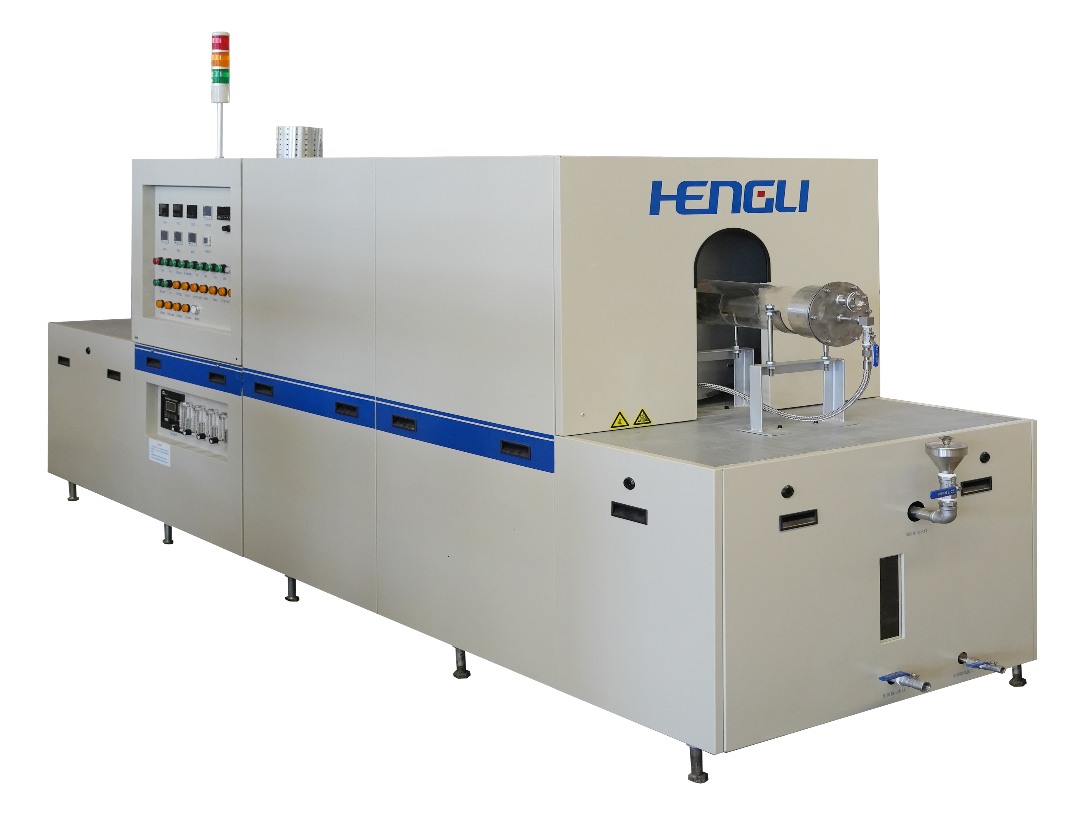
Industrial tube furnace for controlled-atmosphere and vacuum thermal processing

Industrial Atmosphere Tube Furnace

Industrial tube furnace for controlled-atmosphere and vacuum thermal processing.

Batch Furnace vs. Continuous Furnace

Key Process Considerations

Why Use Vacuum Brazing?

A vacuum brazing furnace maintains a high-vacuum environment throughout the heating and brazing cycle, resulting in extremely low oxygen levels around the product.

This limits oxidation, supports filler-metal wetting, and helps produce clean joints with low voiding. Multiple joints can be brazed in a single cycle with relatively low distortion and thermal stress, making the process well suited for liquid-cooling plates, complex microchannel assemblies, AMB substrates, heat exchangers, and other precision components.

Because the low-oxygen environment is created by vacuum rather than a continuous supply of nitrogen or inert gas, vacuum brazing can reduce process-gas consumption. The tradeoff is a longer batch cycle, stricter part-cleaning and assembly requirements, and lower throughput than continuous controlled-atmosphere brazing.

Why Use a Controlled-Atmosphere Box Furnace?

A controlled-atmosphere box furnace is selected when the process requires a specific gas composition, long soak time, flexible batch loading, or frequent recipe changes that are less practical in a continuous furnace.

For electronic ceramics, the thermal cycle often includes more than simple heating. Binder removal must be slow enough to prevent rapid gas release and ceramic cracking, while later firing stages may require low oxygen, hydrogen-containing atmospheres, controlled humidity, or high-temperature sintering.

Because the process is batch-based, atmosphere, heating rate, soak time, and cooling can be adjusted for material development, pilot production, and lower-volume manufacturing. For higher-volume production, XMZ can also evaluate whether a belt furnace, pusher furnace, or roller hearth kiln is the more appropriate architecture.

Electronic Ceramic Debinding and Sintering

Electronic ceramic processes may require different furnace conditions at different stages. During debinding, hot-air circulation and controlled exhaust help remove binder gradually and reduce the risk of cracking. Later sintering may require nitrogen/hydrogen mixtures, dry or humidified gas, low oxygen levels, controlled furnace pressure, and stable loaded temperature uniformity.

For HTCC applications, selected furnace designs can provide dry/wet gas switching, dew-point control, gas-flow redundancy, binder-vapor recovery, and high-temperature atmosphere sintering. Typical products include HTCC substrates, ceramic packages, SMD components, electrostatic chucks, MLCC-related materials, LTCC, and aluminum nitride substrates. Different electronic ceramic products often require different atmosphere strategies, heating profiles, and exhaust arrangements.

Why Use a Roller Hearth Kiln Simulator?

A roller hearth kiln simulator reproduces key thermal and atmosphere conditions of a production roller hearth kiln on a smaller scale. This allows firing profiles, atmosphere settings, and process parameters developed during laboratory testing to be transferred more reliably to production equipment, reducing scale-up risk and shortening process-development time.

For processes ultimately intended for roller hearth production, using a simulator from the beginning can provide more relevant development data than a conventional box furnace. It gives engineers a closer starting point for process optimization and scale-up.

Why Use a Tube Furnace?

A tube furnace is often selected when the process requires a stable atmosphere around relatively small product loads or when frequent process changes make a large production furnace unnecessary. The enclosed tube simplifies atmosphere control, making it suitable for material development, pilot production, and specialty thermal processes.

Multiple heating zones, independent temperature control, oxygen monitoring, and controlled gas flow can be incorporated to improve process repeatability and support different thermal profiles.

Discuss Your Process

Different batch thermal processes often require different furnace architectures. The best solution depends on the material system, operating temperature, atmosphere, vacuum level, product size, loading method, production volume, and process objective.

XMZ Technologies can review your process and help determine whether a vacuum furnace, controlled-atmosphere box furnace, battery material furnace, bell furnace, tube furnace, or another thermal-processing system is the most appropriate starting point.

Contact us with your material information, product dimensions, loading method, temperature profile, atmosphere or vacuum requirements, throughput target, and any available process data. We can then evaluate the process, identify key design considerations, and prepare a technical and commercial proposal.

Contact XMZ Technologies