FURNACE SELECTION

Industrial Furnace Types

Belt, roller hearth, pusher and batch furnaces handle different thermal processes because they move, support and heat products differently. XMZ configures industrial furnace systems around the material, required temperature profile, atmosphere or vacuum, load handling and production rate. Specialty thermal systems are available when a process calls for a different chamber or transport arrangement. This furnace types comparison narrows architecture selection before detailed equipment configuration.

Whether you are replacing an existing furnace, scaling up a process or developing a new material, the first decision is the furnace architecture—not the model number.

Four Core Industrial Furnace Architectures

Compare Furnace Types Discuss Your Process

These four furnace families cover the principal continuous, indexed and batch production routes. Each is engineered to the process rather than limited to a fixed catalog configuration.

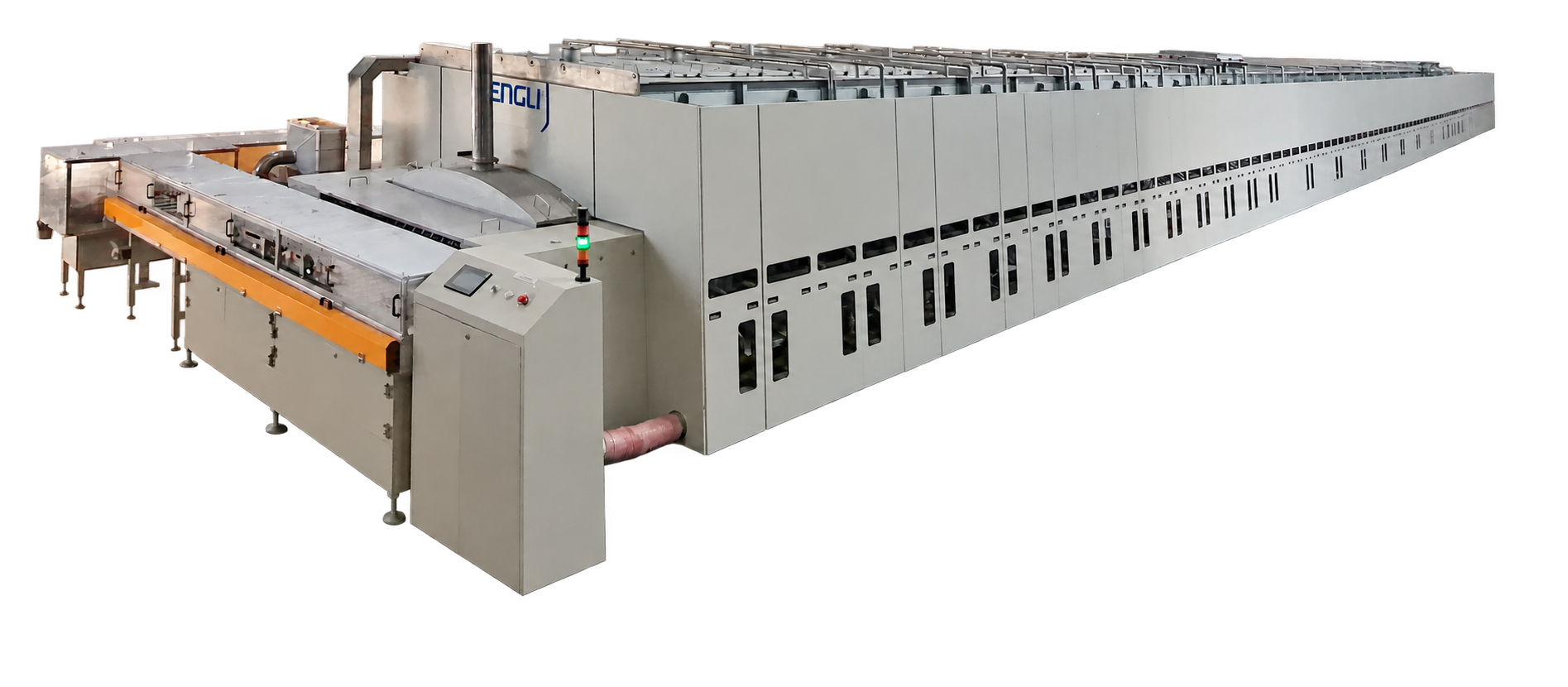
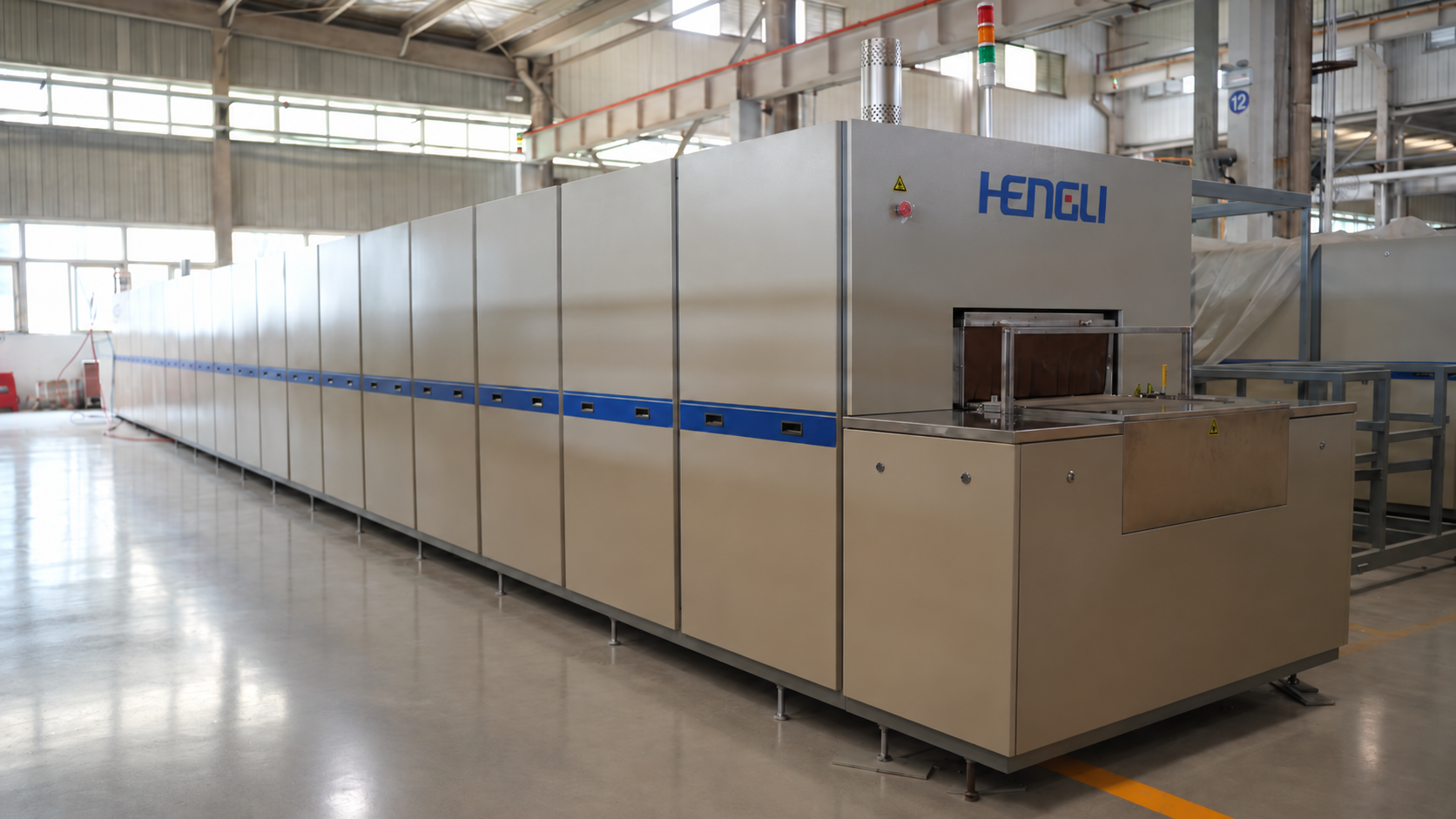
XMZ industrial belt furnace for continuous thermal processing

Belt Furnaces — Continuous Mesh-Belt Processing

Belt furnaces move products through successive heating, processing and cooling sections on a continuous conveyor. They are often the simplest and most economical option for compatible products requiring repeatable firing, drying, reflow, brazing or heat treatment at production volume. Multi-zone heating and controlled belt speed can support rapid product temperature changes without cycling the entire furnace chamber for each load.

XMZ belt furnace platforms include HSK fast fire furnaces for air processing, HSA controlled-atmosphere furnaces, HSG drying furnaces, HSF reflow ovens and HSH high-speed firing systems. Product dimensions, atmosphere, profile and loading determine the configuration.

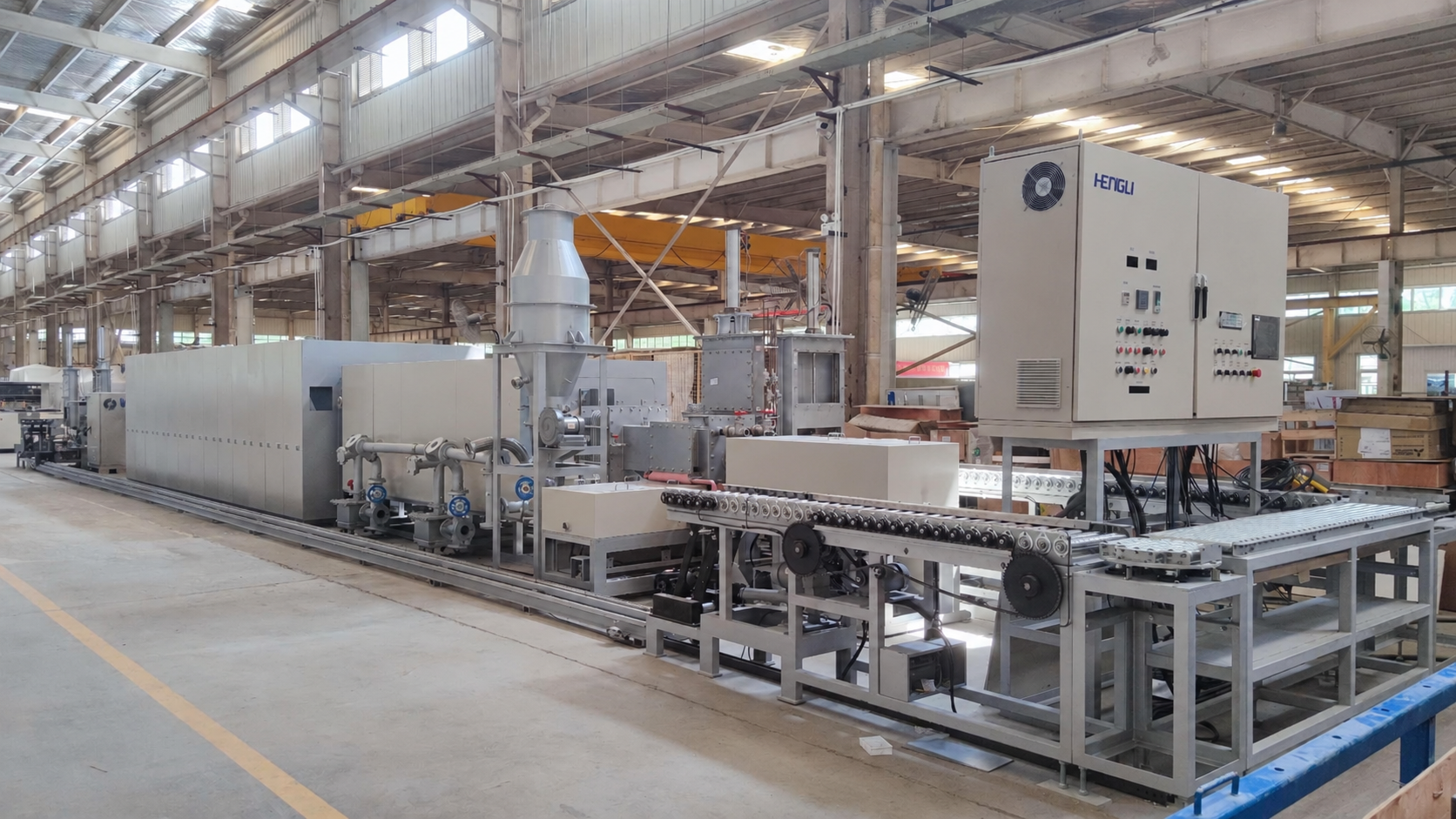
XMZ industrial roller hearth kiln for high-temperature continuous processing

Roller Hearth Kilns — Heavy Loads, High Temperatures & Stable Transport

Roller hearth kilns transport products or loaded saggers on driven rollers. They become attractive when a metallic mesh belt is impractical because of high temperature, load, corrosion, cleanliness requirements or the need to support large flat products. XMZ roller hearth designs support air and controlled-atmosphere processes, with selected configurations operating up to approximately 1,750°C.

Applications include electronic ceramics, battery-material calcination and sintering, and large glass or thin-film substrates. Roller material, spacing, drive synchronization and loaded temperature uniformity are engineered for the product and production line.

XMZ industrial pusher furnace for setter- and tray-based processing

Pusher Furnaces — Indexed, Setter- or Tray-Based Processing

Pusher furnaces advance trays, boats or setters through the furnace in controlled steps. This approach is useful for products requiring rigid support, high-temperature firing, long residence times or controlled process atmospheres. Indexing cadence, setter loading and furnace-zone length are developed together to meet the thermal cycle and output target.

The XMZ HT Series is a configurable pusher furnace platform for electronic ceramics and advanced materials, with representative designs rated up to 1,700°C. Typical applications include sintering, calcination, heat treatment, carbonization and other high-temperature processes; available atmosphere and performance specifications depend on configuration.

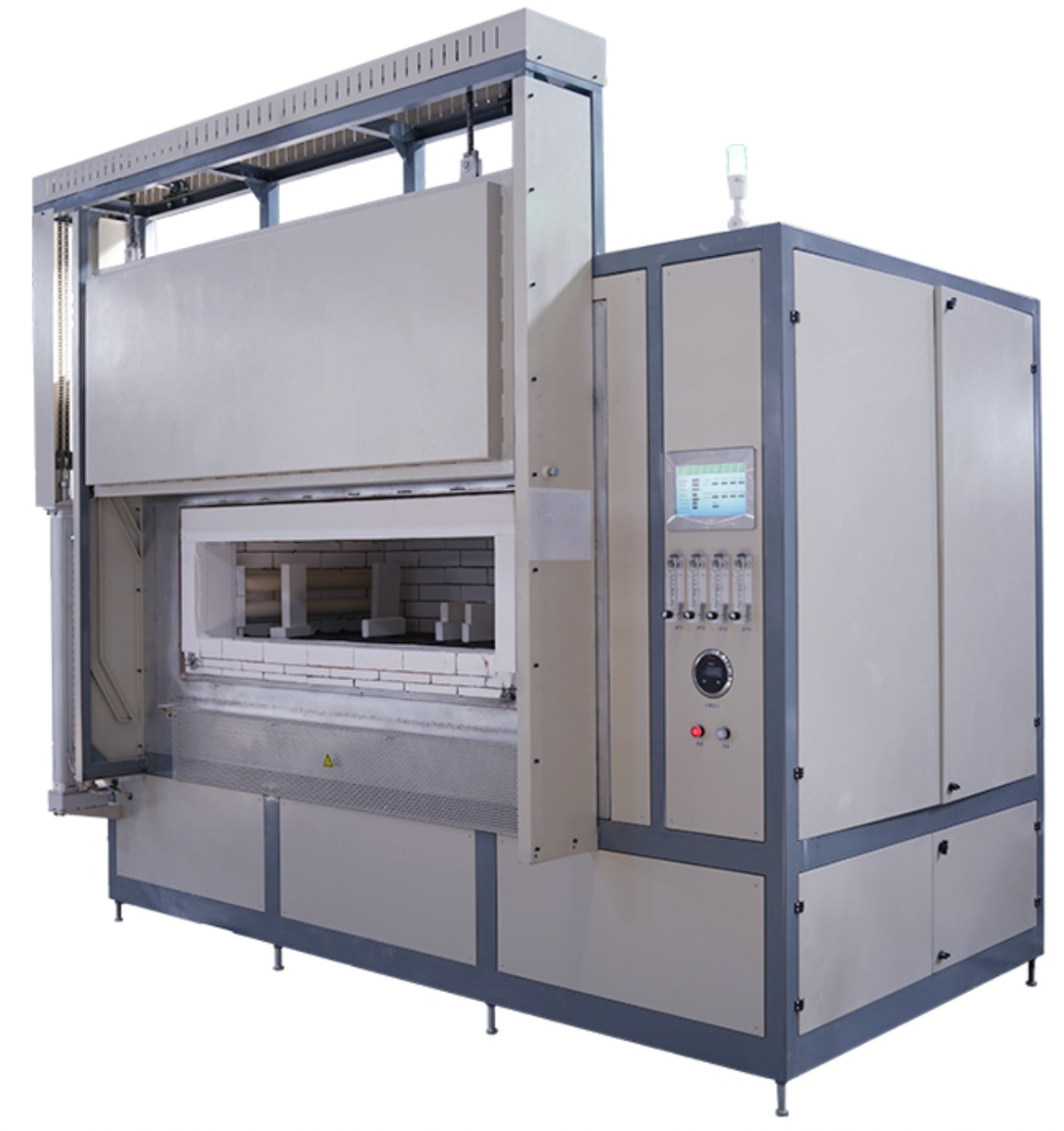
XMZ industrial batch furnace for flexible thermal processing

Batch Furnaces & Ovens — Flexible Thermal Cycles and Vacuum Processing

Batch furnaces process a stationary load through a programmed heating, soaking and cooling cycle. They suit R&D, lower-volume or changing production schedules, long thermal cycles, and processes that require vacuum or a particular chamber environment. A batch system may also be appropriate when product geometry or loading makes continuous transport impractical.

XMZ batch systems include vacuum brazing furnaces, controlled-atmosphere box furnaces, debinding ovens, battery-material development furnaces, bell furnaces and tube furnaces. Vacuum, air, nitrogen, hydrogen or other gas environments are available in selected designs—not every atmosphere is standard for every system.

Specialty Thermal Systems

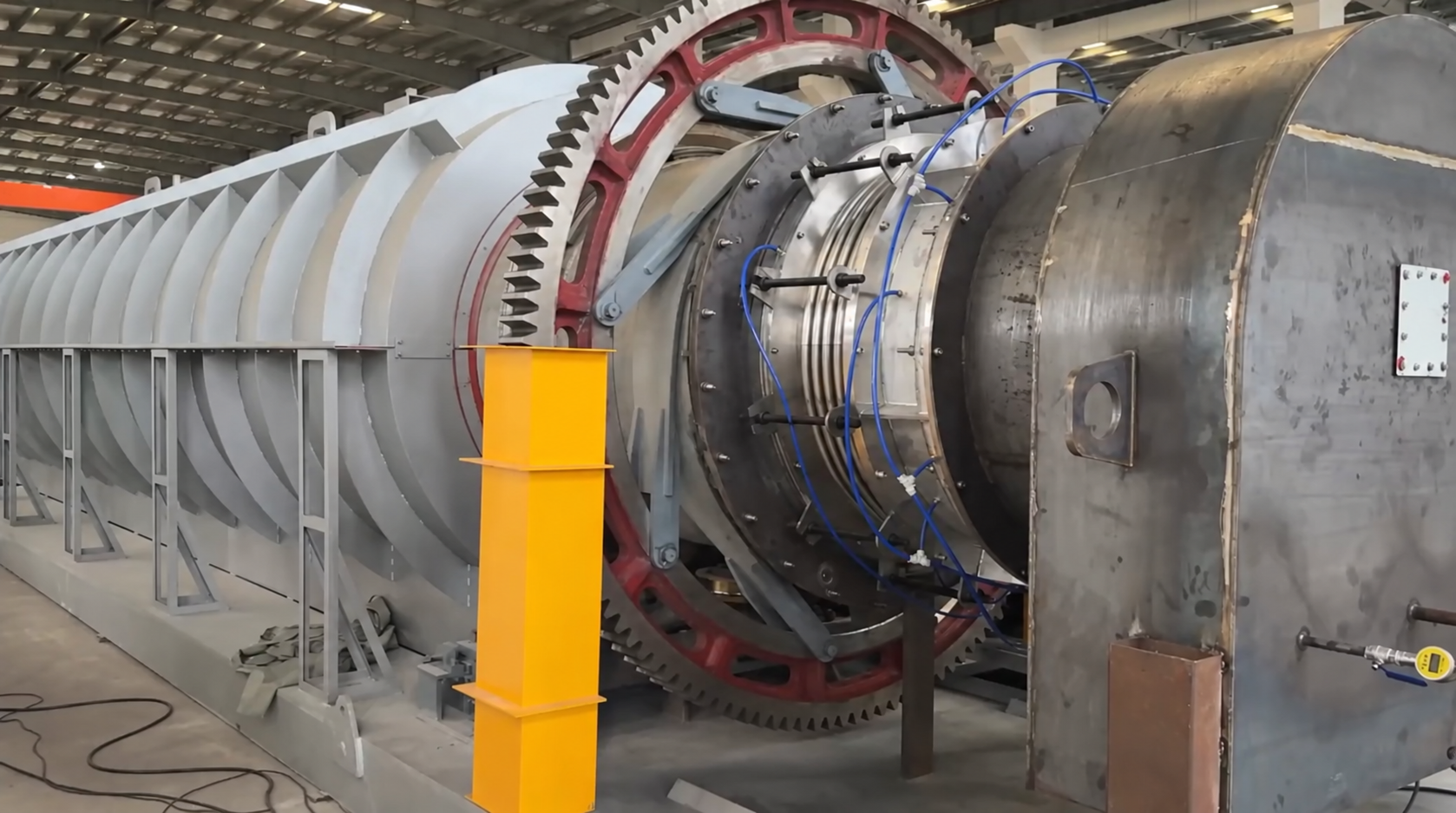
Not every process fits a mesh-belt, roller, pusher or conventional batch configuration. XMZ can evaluate project-specific thermal systems—including rotary processing and other custom chamber or material-handling arrangements—when product movement, gas contact, residence time or geometry requires a different solution.

XMZ custom rotary thermal processing system

Discuss a Specialty Thermal Process

Compare Industrial Furnace Types

The table is a starting point, not a fixed equipment rating. Temperature, atmosphere, cleanliness and throughput depend on the actual furnace design and material being processed.

Compare Industrial Furnace Types
Selection FactorBelt FurnaceRoller Hearth KilnPusher FurnaceBatch Furnace
Product Transport & SupportContinuous mesh belt; fixtures can be used where requiredDriven rollers supporting the product directly or through trays/saggersSetters, trays or boats indexed through the furnaceStationary load on hearth, shelves, fixtures or hot plate
Primary StrengthEconomical continuous production with rapid product heating and high throughputHigh temperature, heavy loads, stable support and reduced metallic contamination from mesh-belt wearHigh-temperature continuous processing with rigid setter support and long process residence timesMaximum cycle flexibility, vacuum capability and processing without continuous product transport
Temperature CapabilityLimited by belt material, load and atmosphereHigh-temperature designs available to ~1750°CHigh-temperature designs available to ~1700°CBroad range; depends on chamber and heating-system design
Thermal ProfileRapid product heating and cooling by moving through sequential temperature zonesStable continuous profiles with extended heating, dwell and cooling sectionsWell suited to long-dwell firing and sintering profilesFlexible programmable cycles, but ramp rates are also typically limited by the furnace construction
Temperature Uniformity & RepeatabilityStrong product-to-product profile repeatability in steady-state production; cross-belt uniformity depends on furnace width and loadingGenerally provides excellent spatial temperature uniformity, especially across large working volumes, with stable product-to-product profiles under steady-state operationStable repeatable processing around controlled setter loading; uniformity depends on load arrangement and furnace designGenerally more difficult to maintain uniform load temperatures during ramping because the chamber and load heat and cool together; the process does not normally operate with products moving through an established steady-state thermal field. Specialized circulation and multi-zone designs can improve uniformity
Atmosphere / VacuumAir or controlled gas; specialized inline vacuum reflow configurations availableAir or controlled atmosphereAir or controlled atmosphereAir, controlled atmosphere or vacuum; well suited to sealed-chamber vacuum processes
Cleanliness ConsiderationsMesh-belt wear and support friction may matter for contamination-sensitive processesEliminates circulating metallic mesh-belt wear, reducing a potential source of metallic contaminationNo circulating metal belt; setter and sliding-contact wear must be managedNo continuous transport wear; cleanliness depends primarily on chamber, fixture and process materials
Representative ApplicationsThick film, electronic component firing, GTMS / hermetic sealing, brazing, drying and reflowMLCC, electronic ceramics, battery materials and large glassMLCC, HTCC, ferrites, ceramics and high-temperature sinteringR&D, firing, sintering, heat treatment, brazing, vacuum processing and specialty thermal cycles

How to Select the Right Industrial Furnace

The material and required product temperature profile come first. Next, determine how the load can be supported, whether air, controlled gas or vacuum is required, and how many parts or kilograms must be processed per hour. These factors narrow the architecture before the heating zones, chamber dimensions, controls and utilities are specified.

How to Select the Right Industrial Furnace
Process questionWhy it changes furnace selection
01 Material & productComposition, dimensions, mass, fragility and contamination sensitivity affect chamber and transport design.
02 Thermal profilePeak temperature, heating rate, dwell, cooling rate and exit temperature set process length or batch cycle.
03 Atmosphere or vacuumOxygen, gas chemistry, humidity/dew point and pressure requirements affect enclosure and furnace family.
04 Load handlingBelt contact, rollers, setters, saggers, fixtures or stationary loading must suit the workpiece.
05 ThroughputOutput, loading density, belt speed or indexing cadence determine practical production capacity.
06 R&D or productionRecipe flexibility, changeovers, scale-up and line integration can favor different architectures.

A Practical Example: Belt Furnace vs Roller Hearth Kiln

For products within the temperature and load capacity of a metallic mesh belt, a belt furnace is often the more economical continuous solution.

A roller hearth kiln becomes more attractive for heavier loads, higher firing temperatures, contamination-sensitive materials, or large flat products requiring stable transport. Large glass substrates are a good example: precisely aligned and synchronized rollers provide more consistent support and reduce product shifting over long furnace lengths. Roller hearth designs can also provide better loaded spatial temperature uniformity and eliminate metallic particles generated by mesh-belt wear.

The final selection depends on product geometry, load, temperature, atmosphere, cleanliness requirements and production capacity.

Belt furnace and roller hearth kiln comparison for industrial furnace selection — example 1Belt furnace and roller hearth kiln comparison for industrial furnace selection — example 2
Belt furnace and roller hearth kiln comparison for industrial furnace selection

A Practical Example: Continuous Furnace vs Batch Furnace

A stable, high-volume firing process often benefits from a continuously heated furnace with products moving through temperature zones. A development process with frequent recipe changes, a long soak or a sealed vacuum cycle may favor a batch furnace. Neither architecture is universally better; production economics and the thermal cycle must be evaluated together.

A Practical Example: Why Are Roller Hearth Kilns Replacing Traditional Pusher Kilns in Some Applications?

Roller hearth kilns are increasingly replacing or being considered as alternatives to pusher kilns in some ceramic and advanced materials applications. Modern roller transport systems eliminate the sliding movement of setters through the furnace, reducing friction and wear while providing stable product transport. Because the load is supported and driven along the furnace rather than pushed as a continuous train of setters, roller hearth systems can also be built to greater lengths and scaled for higher production capacity. Roller hearth designs can provide excellent spatial temperature uniformity, high-temperature capability and efficient continuous production.

This transition is particularly visible in high-volume electronic ceramics such as MLCC manufacturing, where roller hearth kilns are widely used for sintering and other thermal processes. However, the trend extends beyond a single application and depends on product loading, firing profile, atmosphere and production requirements.

From an industrial furnace manufacturer’s perspective, roller hearth technology is not simply a newer replacement for the pusher furnace. Roller hearth kilns can offer advantages in line length, production capacity, transport stability, temperature uniformity, thermal efficiency and reduced mechanical wear, while pusher furnaces remain well suited to long firing cycles, rigid setter loading and processes where indexed transport or specific atmosphere-control arrangements are advantageous.

From Furnace Selection to System Configuration

After selecting a candidate furnace type, XMZ develops the heating and cooling arrangement, product transport, atmosphere and exhaust design, instrumentation, controls and facility interfaces. Engineering review and analysis are applied where appropriate. Manufacturing, factory acceptance testing, installation and commissioning support are planned around the agreed equipment requirements.

For integrated production lines, furnace loading, upstream drying or pretreatment, downstream cooling and handling can be evaluated as part of the system scope. Explore Applications for process-specific examples, or contact XMZ with your existing profile and production requirements.

Industrial Furnace Selection FAQs

What are the main types of industrial furnaces?

Common industrial furnace architectures include continuous belt furnaces, roller hearth kilns, indexed pusher furnaces and batch furnaces. Vacuum, tube, bell and rotary systems describe additional chamber or process configurations, some of which fall within the batch category.

What is the difference between a belt furnace and a roller hearth kiln?

A belt furnace transports products on a continuous metallic mesh belt, while a roller hearth kiln uses driven rollers to move products directly or on trays and saggers.

Belt furnaces are generally more economical for suitable continuous processes. Roller hearth kilns are better suited to higher temperatures, heavier loads and larger products. They also generally offer excellent loaded spatial temperature uniformity and reduce metallic contamination associated with mesh-belt wear.

Belt Furnace vs Pusher Furnace: When Is a Pusher Preferable?

Pusher furnaces are often selected for high-temperature sintering, long residence times and products requiring rigid ceramic setters or trays. Unlike metallic mesh belts, ceramic setter systems can support heavier loads and operate at temperatures beyond practical belt-alloy limits.

Pusher furnaces can also provide controlled-atmosphere processing with indexed product movement through successive thermal zones. They are commonly used for electronic ceramics, ferrites and other high-temperature materials.

Should I choose a continuous furnace or a batch furnace?

Continuous furnaces are generally preferred for repeatable, high-volume production. Products move through established temperature zones under steady-state furnace operation, providing consistent thermal profiles and generally better product-to-product repeatability.

Conventional batch furnaces heat and cool the chamber, fixtures and load together. Heating rates are often limited by the refractory and furnace construction, while temperature differences across the load can be more difficult to control during ramping.

Batch furnaces offer greater recipe flexibility and are particularly suitable for vacuum processing, long thermal cycles, R&D and lower-volume production. Specialized hot-plate and vacuum soldering systems can provide faster thermal response than conventional refractory-lined batch furnaces.

When should I choose a vacuum furnace instead of a controlled-atmosphere furnace?

Controlled-atmosphere furnaces use process gases such as nitrogen, hydrogen or gas mixtures to establish the required chemical environment. They are commonly used for continuous brazing, annealing, sintering and hermetic sealing.

Vacuum furnaces reduce chamber pressure and remove much of the surrounding gas, making them particularly useful for vacuum brazing, degassing and processes requiring very low oxygen levels.

Vacuum processing is commonly performed in batch chambers, although specialized inline vacuum reflow systems are also available. The choice depends on the material, joining process, required atmosphere or pressure, throughput and production requirements.

What information should I provide for industrial furnace selection?

Start with material and product dimensions, load or fixture details, thermal profile, atmosphere or vacuum requirements, target throughput, current process problems and facility constraints. XMZ can use these inputs to narrow the architecture and configuration.

Discuss Your Furnace Application

Send XMZ the product, target temperature profile, atmosphere or vacuum requirement, loading method and production rate. If you are replacing an existing furnace, tell us what is not working in the current process. We can review the application and recommend a suitable industrial furnace architecture and configuration.

Request a Furnace Recommendation Explore Furnace Applications